


-
Knee injuries and conditions, such as ACL tears, meniscus damage, and osteoarthritis, can significantly impact mobility and quality of life. While traditional physical therapy methods have proven effective, innovative techniques are continually emerging to enhance recovery, reduce pain, and improve overall knee function. Here are some cutting-edge physical therapy techniques that are revolutionizing knee rehabilitation:
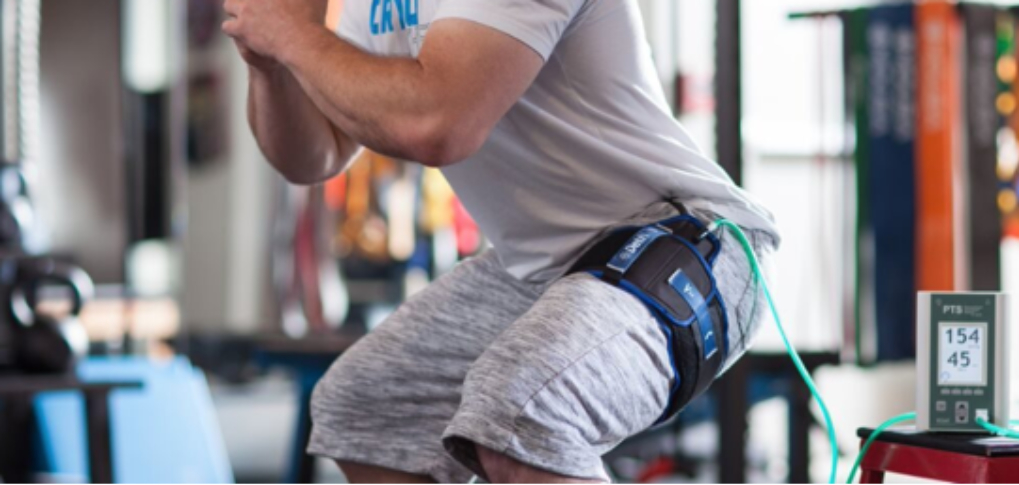
1. Blood Flow Restriction (BFR) Training
Blood Flow Restriction (BFR) training involves applying a specialized cuff to the upper thigh to partially restrict blood flow during low-intensity exercise. This technique can significantly enhance muscle strength and hypertrophy with lower loads, reducing stress on the knee joint. BFR is particularly beneficial for patients who cannot tolerate heavy lifting due to pain or early post-surgical recovery.
2. Dry Needling
Dry needling involves inserting thin needles into trigger points or tight muscles around the knee to release tension and alleviate pain. This technique can reduce muscle spasms, improve blood flow, and promote healing. It is often used in conjunction with other therapies to enhance overall outcomes.
3. Laser Therapy
Low-level laser therapy (LLLT) uses specific wavelengths of light to penetrate tissues and promote cellular repair. For knee rehabilitation, laser therapy can reduce inflammation, accelerate tissue repair, and alleviate pain. This non-invasive technique is particularly useful for treating chronic conditions like osteoarthritis.
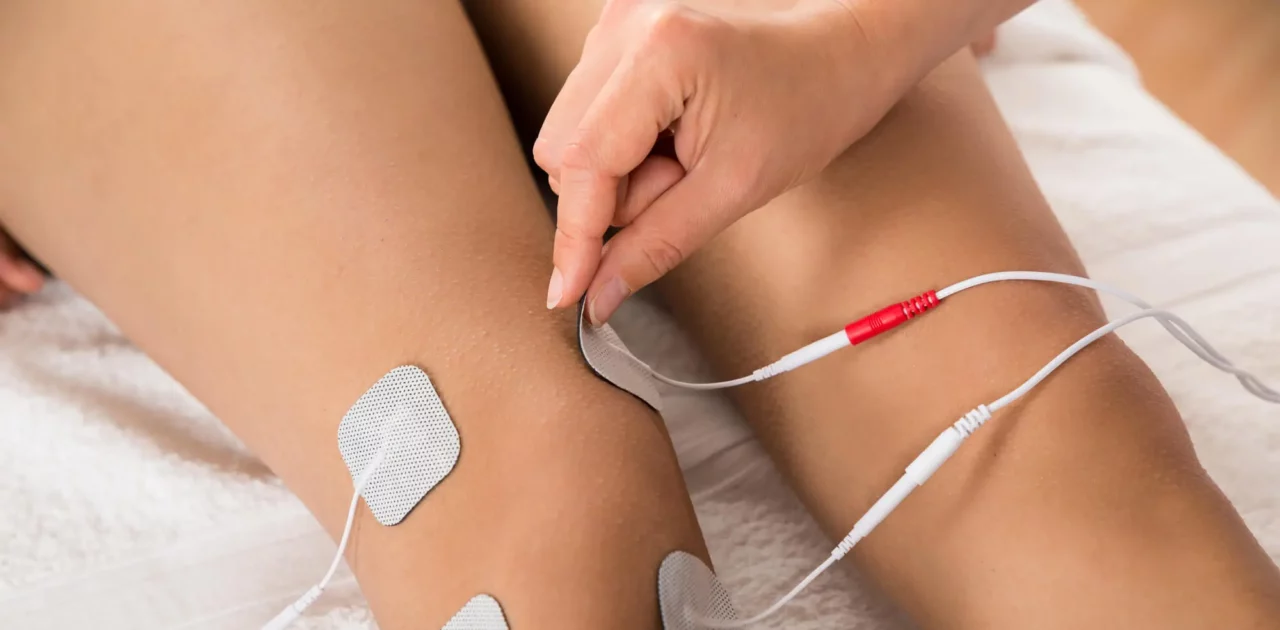
4. Electrical Stimulation
Electrical stimulation, or e-stim, involves using electrical impulses to stimulate muscle contractions and improve muscle function. Techniques like Transcutaneous Electrical Nerve Stimulation (TENS) and Neuromuscular Electrical Stimulation (NMES) can enhance muscle strength, reduce pain, and prevent muscle atrophy during rehabilitation.
5. Virtual Reality (VR) Rehabilitation
Virtual reality technology is increasingly being integrated into physical therapy to create engaging and motivating rehabilitation environments. VR rehabilitation can simulate real-world activities and exercises, providing a fun and immersive way to improve knee function and balance. This technology can be particularly beneficial for enhancing compliance and motivation in patients.
6. Hydrotherapy
Hydrotherapy, or aquatic therapy, utilizes the buoyancy and resistance of water to perform exercises that might be too painful or difficult on land. The water's buoyancy reduces stress on the knee joint, while the resistance helps strengthen muscles and improve range of motion. Hydrotherapy is ideal for patients with severe pain, weight-bearing restrictions, or those in the early stages of recovery.
7. Instrument-Assisted Soft Tissue Mobilization (IASTM)
IASTM involves using specialized tools to perform deep tissue massage and mobilization. This technique can break down scar tissue, improve tissue elasticity, and enhance blood flow. For knee rehabilitation, IASTM can address issues like muscle tightness, adhesions, and restricted range of motion.
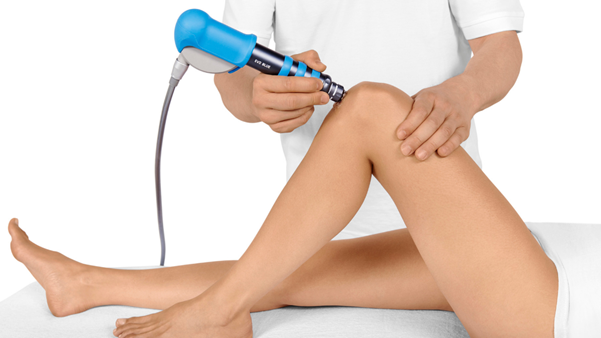
8. Shockwave Therapy
Shockwave therapy uses acoustic waves to stimulate healing in damaged tissues. This technique can reduce pain, improve blood circulation, and promote the regeneration of tendons and other soft tissues. Shockwave therapy is often used for treating chronic knee conditions like patellar tendinitis and calcific tendinitis.
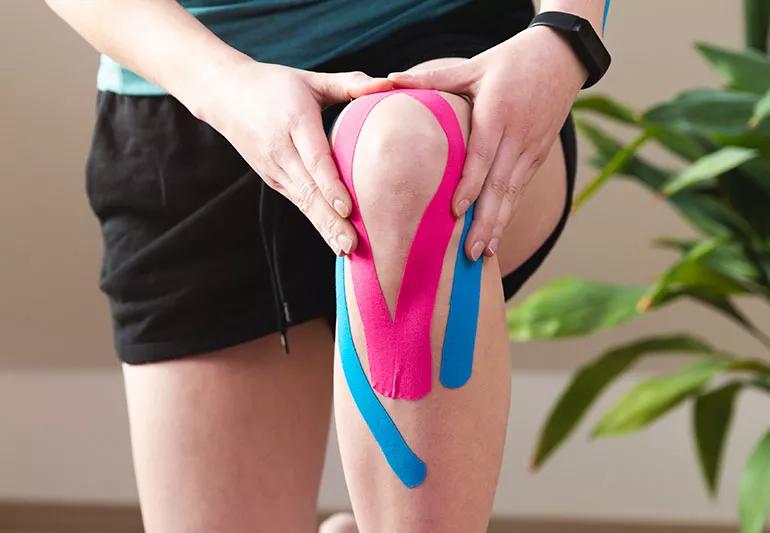
9. Kinesio Taping
Kinesio taping involves applying a specialized elastic tape to the knee to provide support, reduce pain, and enhance circulation. This technique can improve proprioception, facilitate muscle activation, and provide stability without restricting movement. Kinesio taping is commonly used during the rehabilitation process to support healing and prevent re-injury.
10. Biofeedback
Biofeedback uses sensors to monitor physiological functions such as muscle activity, allowing patients to see and adjust their performance in real time. For knee rehabilitation, biofeedback can help patients improve muscle activation patterns, enhance neuromuscular control, and optimize movement mechanics. This technique is particularly useful for retraining muscles after surgery or injury.
Conclusion
Innovative physical therapy techniques offer exciting new possibilities for knee rehabilitation, providing patients with more effective, efficient, and personalized treatment options. By incorporating these advanced methods, physical therapists can help patients recover faster, reduce pain, and regain optimal knee function. If you're dealing with a knee injury or condition, consult with a physical therapist to explore which innovative techniques may be best suited for your rehabilitation journey.






Comments
- (no comments)