


-
From fixing a leaky faucet to finishing a craft project or finally building that backyard planter box, weekend projects are rewarding—but they can also be a literal pain in the neck.
If you've ever woken up on Monday with stiffness, soreness, or a “crick” in your neck after a productive weekend, you're not alone. Many DIYers and hobbyists unintentionally put too much strain on their cervical spine. The good news? A little planning goes a long way.
Let’s dig into why these activities can cause neck pain, how to prevent it, and what to do if it hits.
🔎 What’s Happening to Your Neck?
When you're focused on a task, it's easy to ignore body mechanics. But your neck is a surprisingly vulnerable area—especially when:
-
You hold your head in one position for long periods
-
You bend forward repeatedly without support
-
You twist or lift in awkward ways
-
You go from little movement all week to high-intensity activity
These habits stress the muscles, joints, and discs in your cervical spine. Without proper recovery or conditioning, it can lead to inflammation, tightness, or even nerve irritation.
⚠️ Common Neck Problems in DIYers
Symptom What It Could Mean Dull, achy pain Muscle fatigue from static posture Sharp pain with movement Strain or sprain of soft tissues Stiffness when turning the head Joint restriction or muscle guarding Tingling in arms or hands Possible nerve compression Headaches starting from the neck Cervicogenic headaches
🛡️ Prevention Tips: Before, During, and After Your Project
🔧 Before You Begin: Set Yourself Up for Success
-
Warm up your body. Yes—before painting or sanding! Do shoulder rolls, neck circles, and upper back stretches to prep your muscles.
-
Plan your space. Position your work surface so you’re not constantly looking down or reaching overhead.
-
Gather tools ahead. Limit bending or twisting by keeping essentials within easy reach.
🔨 While You Work: Stay Mindful
-
Change positions frequently. Set a reminder to shift posture every 30–45 minutes.
-
Alternate tasks. Switch between sitting, standing, and walking as much as possible.
-
Engage your core. It supports your spine—yes, even when crafting or cleaning.
-
Use proper lighting. Straining to see can cause forward head posture.
🧘 After You’re Done: Recover Like a Pro
-
Stretch it out. Try chin tucks, upper trap stretches, and doorway pec stretches.
-
Apply heat or cold. Heat loosens tight muscles; cold can reduce inflammation.
-
Hydrate and rest. Muscles recover better with good blood flow and sleep.
🧠 Activity-Specific Tips
🪴 Gardening
-
Use stools or pads to avoid prolonged bending.
-
Take breaks every 20–30 minutes.
-
Carry tools in a belt or cart to avoid reaching.
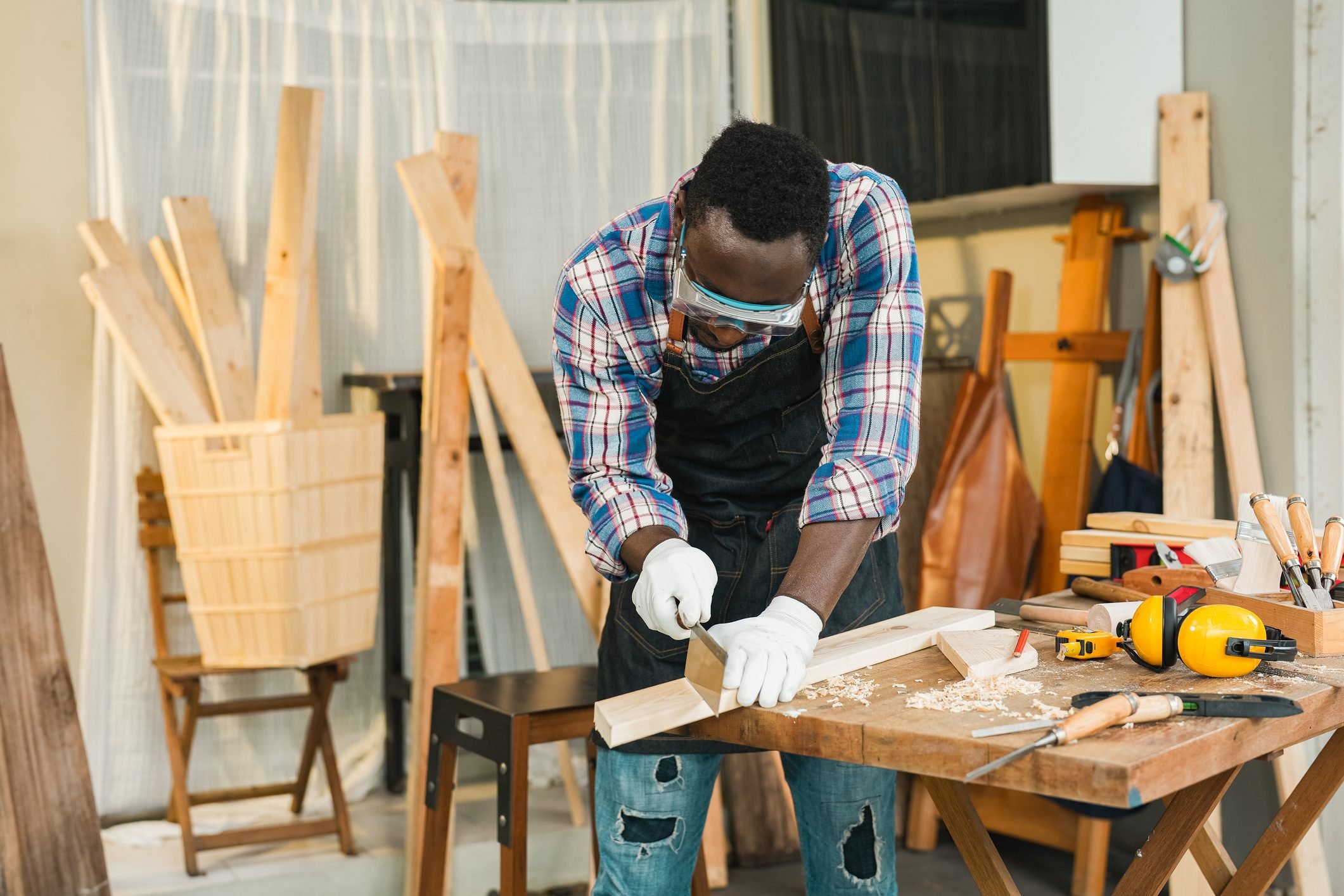
🪚 Woodworking & Home Repairs
-
Elevate your workstation.
-
Use support braces when working overhead.
-
Avoid sudden jerky motions when lifting.
🎨 Crafting & Painting
-
Adjust your table or easel to eye level.
-
Sit with your back supported and feet flat.
-
Use magnifying lights to prevent leaning forward.
🏃♂️ Keep Your Neck Strong Year-Round
Regular neck and upper back strengthening can improve posture and reduce injury risk. Try incorporating:
-
Scapular retractions
-
Chin tucks
-
Resistance band rows
-
Thoracic extension exercises
You don’t need to be a fitness buff—just a few minutes a day makes a difference.
💬 When to See a Specialist
If your neck pain:
-
Lasts more than a few days
-
Radiates down your arm
-
Causes numbness or tingling
-
Worsens with activity
...it's time to consult a physical therapist or healthcare provider. Early intervention can prevent long-term issues.
✅ Final Thoughts
Your passion projects shouldn’t leave you in pain. With a few adjustments, some proactive stretching, and smart pacing, you can stay pain-free and productive.
Remember: you only get one neck—treat it with the same care you give your favorite tools or materials.
-


Comments
- (no comments)