


-
As we age, maintaining a healthy back becomes increasingly important for overall mobility and quality of life. Here are some essential tips for older adults to keep their backs strong, flexible, and pain-free:
1. Stay Active with Low-Impact Exercises
Engage in regular physical activity that supports back health without causing strain. Options like walking, swimming, or gentle yoga can improve flexibility, strengthen core muscles, and alleviate back pain.
2. Maintain Good Posture
Practice proper posture throughout the day, whether sitting, standing, or lifting objects. Avoid slouching or hunching over, as this can strain the back muscles and lead to discomfort.
3. Use Ergonomic Supports
Invest in ergonomic furniture and tools that support the natural curvature of your spine. This includes chairs with lumbar support and adjustable desks to maintain a neutral spine position.
4. Lift Safely and Strategically
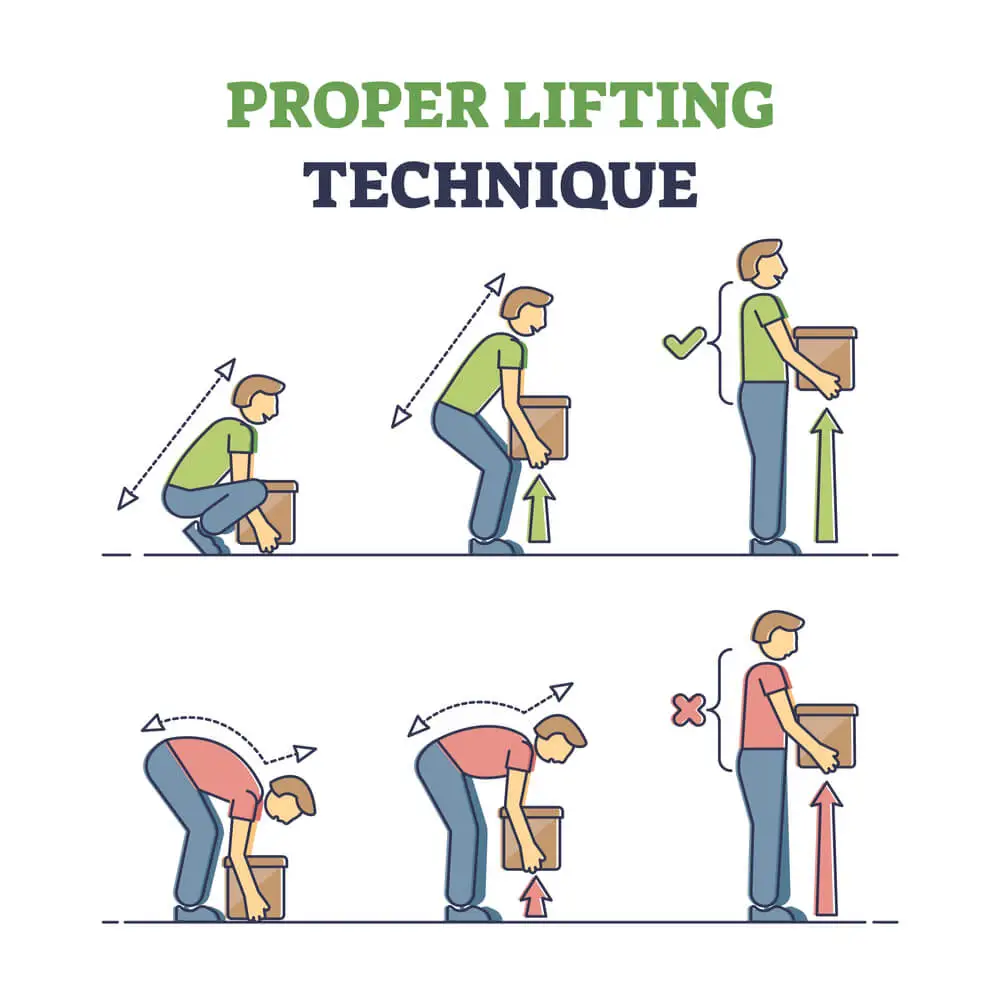
When lifting objects, bend at the knees and use your legs rather than your back. Avoid twisting motions and distribute weight evenly to reduce the risk of strain or injury.
5. Maintain a Healthy Weight
Excess weight puts additional stress on the spine and can contribute to back pain. Aim for a balanced diet and regular exercise to achieve and maintain a healthy weight.
6. Stretch Regularly
Incorporate stretching exercises into your daily routine to improve flexibility and relieve tension in the back muscles. Focus on stretches that target the lower back, hamstrings, and hip flexors.
7. Stay Hydrated
Drink plenty of water throughout the day to keep spinal discs hydrated and maintain optimal spine health. Dehydration can lead to stiffness and exacerbate back pain.
8. Manage Stress
Practice stress-reducing techniques such as meditation, deep breathing, or gentle exercise to prevent muscle tension and reduce the likelihood of back pain flare-ups.
9. Consult with Healthcare Professionals
If you experience persistent or severe back pain, consult with a healthcare provider or physical therapist. They can provide personalized guidance, recommend exercises, and explore treatment options to manage and alleviate your symptoms.
Conclusion
By prioritizing back health through regular exercise, proper posture, ergonomic adjustments, and healthy lifestyle choices, older adults can maintain an active and pain-free lifestyle as they age. Incorporate these tips into your daily routine to support a strong and resilient back for years to come!

Comments
- (no comments)