


-
Top Exercises to Relieve Shoulder Pain
Sep 12, 2024
Shoulder pain can be debilitating, affecting your ability to perform everyday activities like reaching, lifting, or even getting dressed. Whether your shoulder pain stems from poor posture, overuse, or an injury, targeted exercises can help alleviate discomfort and improve mobility. Physical therapists often recommend specific exercises to strengthen the muscles around the shoulder joint, reduce pain, and prevent future issues. Here are some of the best exercises to relieve shoulder pain and restore proper function.
1. Pendulum Stretch
This is a gentle exercise that helps increase shoulder mobility and alleviate pain. It’s often used early in shoulder rehab programs because of its simplicity and effectiveness.
How to Perform:
- Stand with your feet shoulder-width apart and lean forward slightly, letting the affected arm dangle.
- Using your body to initiate the movement, gently swing your arm in small circles (about a foot in diameter) for 10 repetitions.
- Gradually increase the size of the circles as your shoulder loosens.
- Perform this exercise 2-3 times per day.
Why It Helps: The pendulum stretch helps to loosen tight shoulder muscles, increases joint mobility, and encourages blood flow to the area, which is key for healing.
2. Doorway Stretch
This stretch helps open up the chest and shoulders, relieving tension and improving flexibility, especially for those with shoulder impingement or posture-related pain.
How to Perform:
- Stand in a doorway and place your arms on either side of the door frame, forming a 90-degree angle at the elbow.
- Step one foot forward, slowly leaning into the doorway until you feel a gentle stretch in your shoulders and chest.
- Hold the stretch for 15-30 seconds, then release.
- Repeat 3 times.
Why It Helps: The doorway stretch helps relieve tightness in the front of the shoulders and chest, which is often caused by slouching or rounded shoulders.
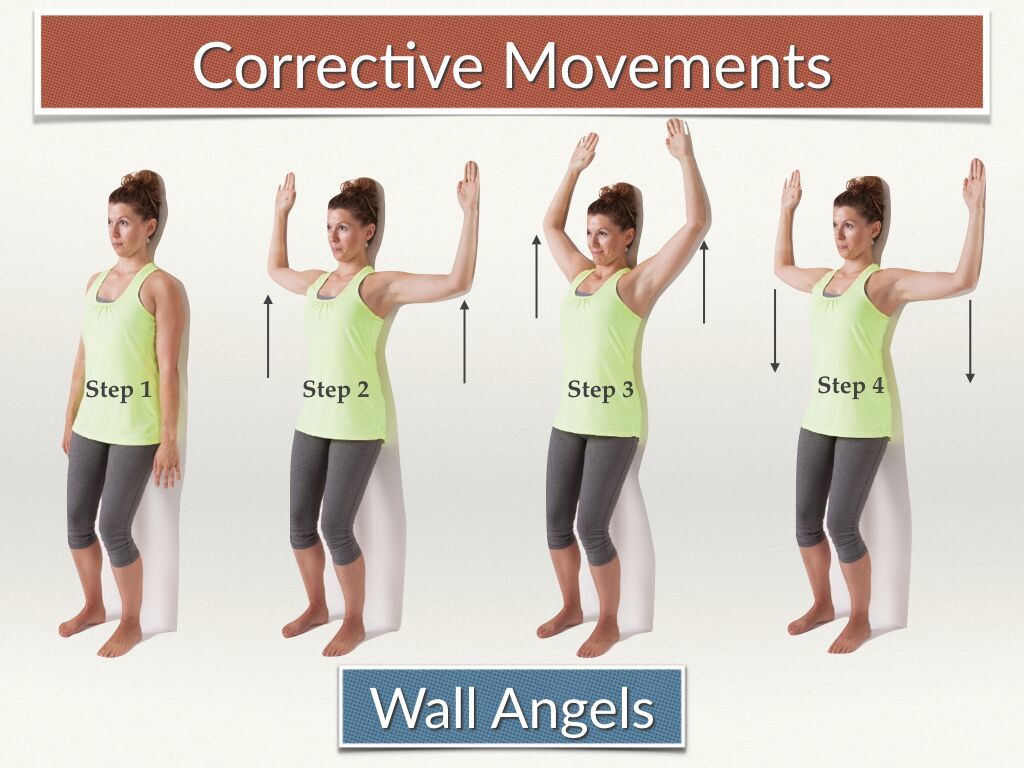
3. Wall Angels
Wall angels improve shoulder mobility and strengthen postural muscles, which can help relieve pain caused by poor posture or muscle imbalances.
How to Perform:
- Stand with your back against a wall, feet about six inches away from it, and knees slightly bent.
- Press your lower back, shoulders, and head into the wall.
- Raise your arms to form a "W" shape against the wall, then slowly slide your arms up into a "Y" position overhead.
- Bring your arms back down to the starting position and repeat for 10-15 repetitions.
Why It Helps: Wall angels activate the muscles of the upper back and shoulder blades, helping to correct posture and relieve tension in the shoulders.
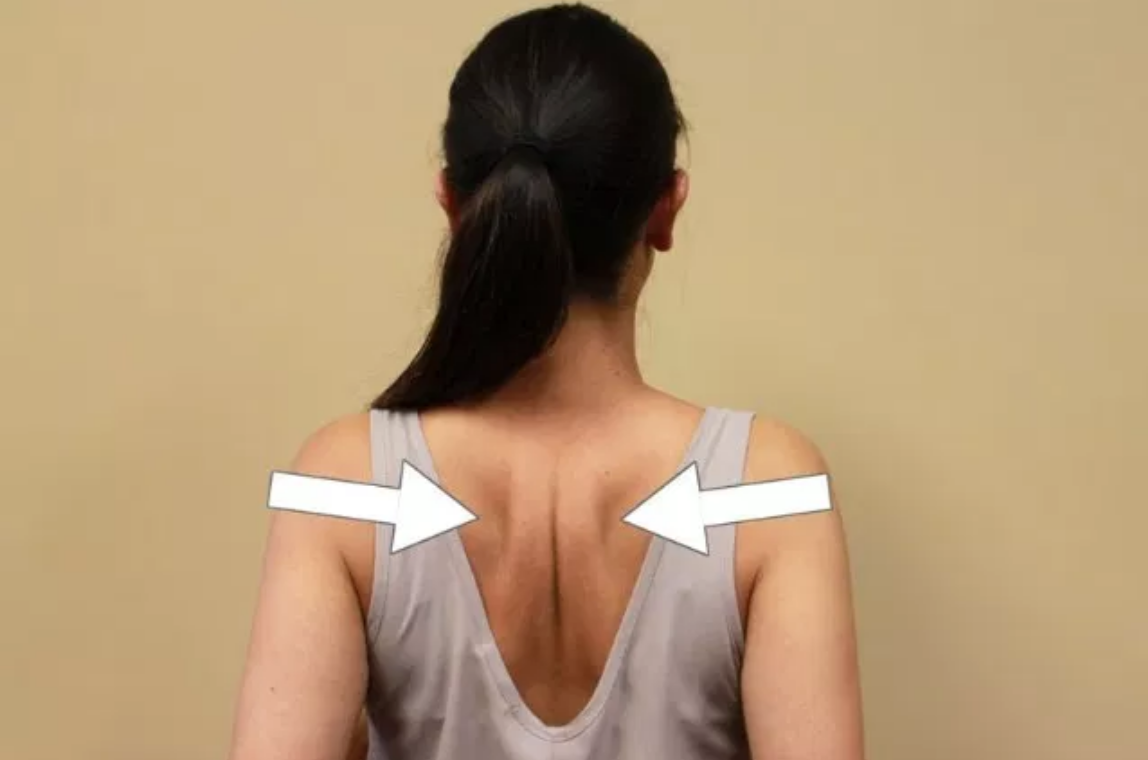
4. Shoulder Blade Squeeze
Strengthening the muscles between the shoulder blades helps stabilize the shoulder joint and reduce pain.
How to Perform:
- Sit or stand with your back straight and shoulders relaxed.
- Gently squeeze your shoulder blades together, as if trying to hold a pencil between them.
- Hold for 5 seconds, then release.
- Repeat 10-15 times.
Why It Helps: This exercise strengthens the rhomboid muscles, which help improve posture and reduce strain on the shoulder joint.
5. Towel Stretch
The towel stretch is effective for increasing shoulder flexibility and is often used for conditions like frozen shoulder.
How to Perform:
- Hold a towel behind your back with one hand at the top and the other hand at the bottom.
- Gently pull the towel upward with the top hand, stretching the shoulder of the bottom arm.
- Hold for 15-30 seconds, then switch arms.
- Perform 3 repetitions on each side.
Why It Helps: This exercise stretches the rotator cuff muscles and improves shoulder mobility, which can be helpful in reducing stiffness.
6. External Rotation with a Resistance Band
Strengthening the rotator cuff muscles is crucial for stabilizing the shoulder joint and reducing pain. Using a resistance band can make this exercise more effective.
How to Perform:
- Secure a resistance band to a stable object and stand sideways to the band with your elbow bent at a 90-degree angle.
- Hold the band with the hand on the affected side and keep your elbow close to your body.
- Gently rotate your arm outward, away from your body, while keeping your elbow at your side.
- Slowly return to the starting position.
- Perform 10-15 repetitions.
Why It Helps: This exercise strengthens the rotator cuff, improving shoulder stability and preventing injury.
7. Scapular Retraction
Proper scapular (shoulder blade) movement is crucial for shoulder health. Scapular retraction exercises help improve shoulder mechanics and reduce pain.
How to Perform:
- Sit or stand with your arms by your sides.
- Slowly squeeze your shoulder blades together and down, keeping your arms relaxed.
- Hold for 5 seconds and release.
- Repeat 10-15 times.
Why It Helps: Strengthening the muscles that control shoulder blade movement enhances shoulder stability and reduces stress on the joint.
Final Thoughts
While these exercises can be incredibly effective for relieving shoulder pain, it’s important to perform them correctly and gradually. Always consult with a physical therapist before starting any new exercise routine, especially if you’re dealing with an injury or chronic pain. A physical therapist can assess your specific needs and guide you through exercises tailored to your condition, ensuring a safe and effective recovery.
Consistent practice of these exercises can improve shoulder mobility, reduce pain, and prevent future injuries. Remember, it’s not about how quickly you progress, but rather how well you listen to your body and move forward safely. If shoulder pain persists, consult with a healthcare provider for further evaluation and treatment.




Comments
- (no comments)