


-
Balance is a complex system that relies on multiple sensory inputs, and vision plays a crucial role in maintaining stability. When vision is impaired, whether due to aging, injury, or neurological conditions, balance can also be affected, increasing the risk of falls and instability. Understanding the connection between vision and balance can help individuals take proactive steps to improve both.
How Vision Affects Balance
Our eyes provide essential information about our surroundings, allowing the brain to coordinate movement and maintain equilibrium. Here’s how vision contributes to balance:
-
Depth Perception – The ability to judge distances helps us navigate obstacles and maintain spatial awareness. Impaired depth perception can lead to missteps and loss of balance.
-
Peripheral Vision – This enables us to detect motion and changes in our environment. A reduced field of vision can cause difficulties in reacting to sudden changes, increasing fall risk.
-
Visual Input to the Brain – The brain integrates visual data with information from the vestibular (inner ear) and proprioceptive (body awareness) systems. When vision is compromised, the brain has less information to rely on for balance.
-
Contrast Sensitivity – The ability to distinguish between objects and surfaces helps in recognizing steps, curbs, and uneven ground. Poor contrast sensitivity can lead to tripping hazards.
Common Vision Problems That Affect Balance
Several visual impairments can contribute to balance issues, including:
-
Cataracts – Clouding of the eye’s lens reduces clarity and contrast sensitivity, making navigation more difficult.
-
Glaucoma – Loss of peripheral vision can limit spatial awareness.
-
Macular Degeneration – Central vision loss affects focus and depth perception.
-
Binocular Vision Disorders – Difficulty coordinating both eyes can impact depth perception and spatial judgment.
Improving Balance Through Vision Care
Since vision is a key component of balance, maintaining eye health is essential. Here are some strategies to enhance both vision and stability:
-
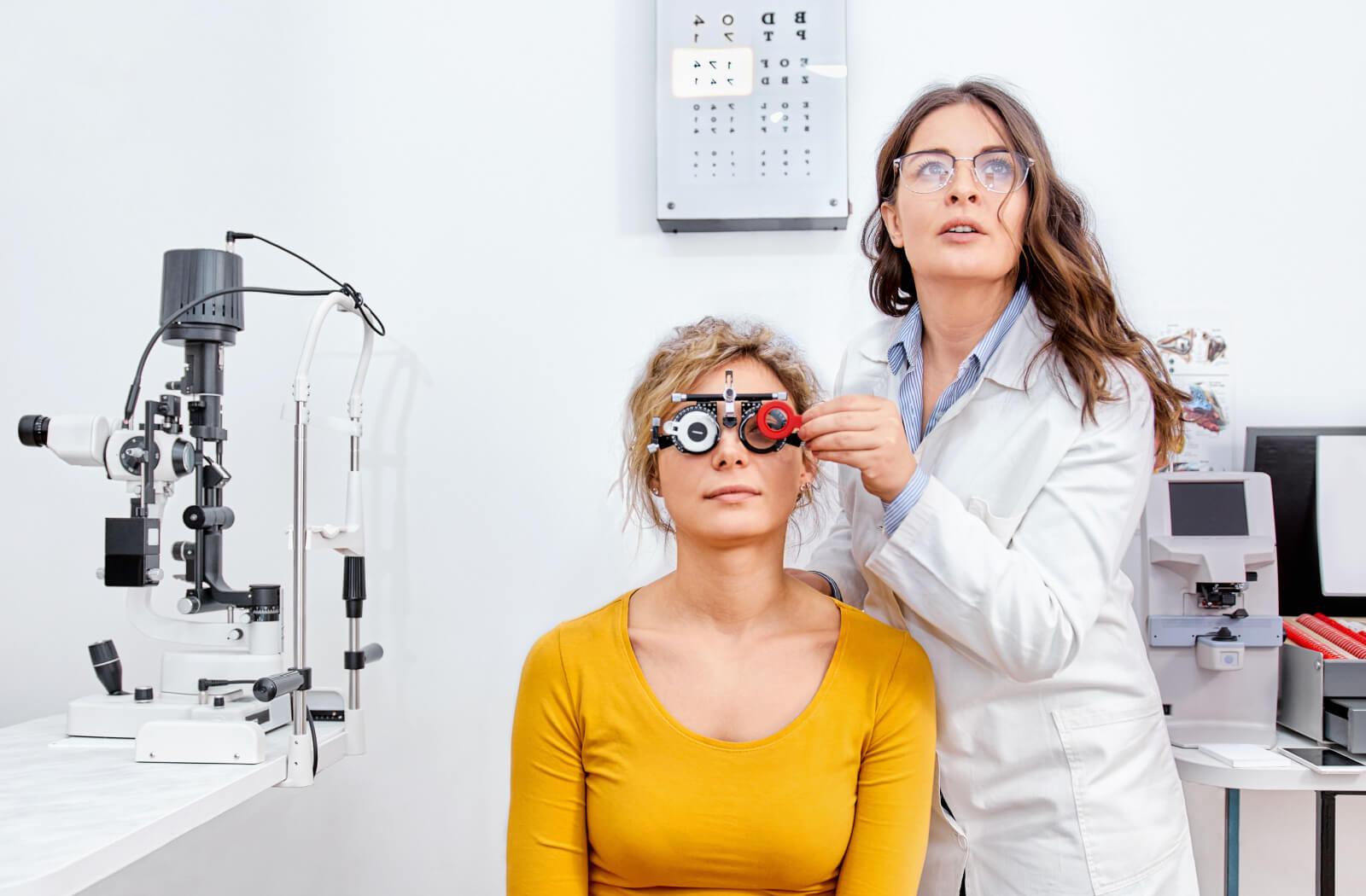
Regular Eye Exams – Routine check-ups can detect and address vision issues before they worsen.
-
Proper Eyewear – Corrective lenses or specialized glasses can improve depth perception and clarity.
-
Lighting Adjustments – Ensuring adequate lighting at home and work can enhance contrast sensitivity and reduce fall risks.
-
Vision Therapy – Exercises to strengthen eye coordination and focus can improve spatial awareness.
-
Multisensory Training – Engaging in balance exercises that incorporate visual, vestibular, and proprioceptive inputs can enhance overall stability.
Conclusion
Clear vision is essential for confident movement and maintaining balance. By addressing vision impairments and incorporating strategies to support eye health, individuals can reduce fall risks and improve overall stability. If you experience frequent dizziness or instability, consulting an eye care professional alongside a physical therapist may be a valuable step toward safer mobility.
-

Comments
- (no comments)