


-
Why Leg Pain Can Actually Be a Spine Problem
Jul 28, 2026
Many people assume that leg pain always starts in the leg. After all, if your calf aches, your thigh burns, or your foot feels numb, it seems logical to focus on the affected area. However, the true source of your symptoms may be your lower back.
The spine houses the nerves that travel into your hips, thighs, legs, and feet. When one of these nerves becomes irritated or compressed, the pain can be "referred" or radiate down the leg, even if there is no injury to the leg itself. This is why a thorough evaluation is essential to determine the actual cause of your symptoms.
Understanding the relationship between your spine and your legs can help you seek the right treatment sooner and avoid unnecessary procedures.
How the Spine Affects Your Legs
Your spinal cord branches into nerve roots that exit through openings between the vertebrae. These nerves control muscle movement, sensation, and reflexes throughout the lower body.
If one of these nerves becomes irritated due to inflammation, a herniated disc, arthritis, or spinal narrowing, symptoms may appear anywhere along the nerve's path.
Common symptoms include:
- Sharp pain traveling down the leg
- Burning sensations
- Tingling or "pins and needles"
- Numbness
- Muscle weakness
- Cramping
- Foot drop
- Difficulty walking
- Pain that worsens with sitting or bending
Interestingly, some people experience severe leg pain with very little back pain, making it difficult to recognize that the spine is actually responsible.
Common Spine Conditions That Cause Leg Pain
Lumbar Herniated Disc
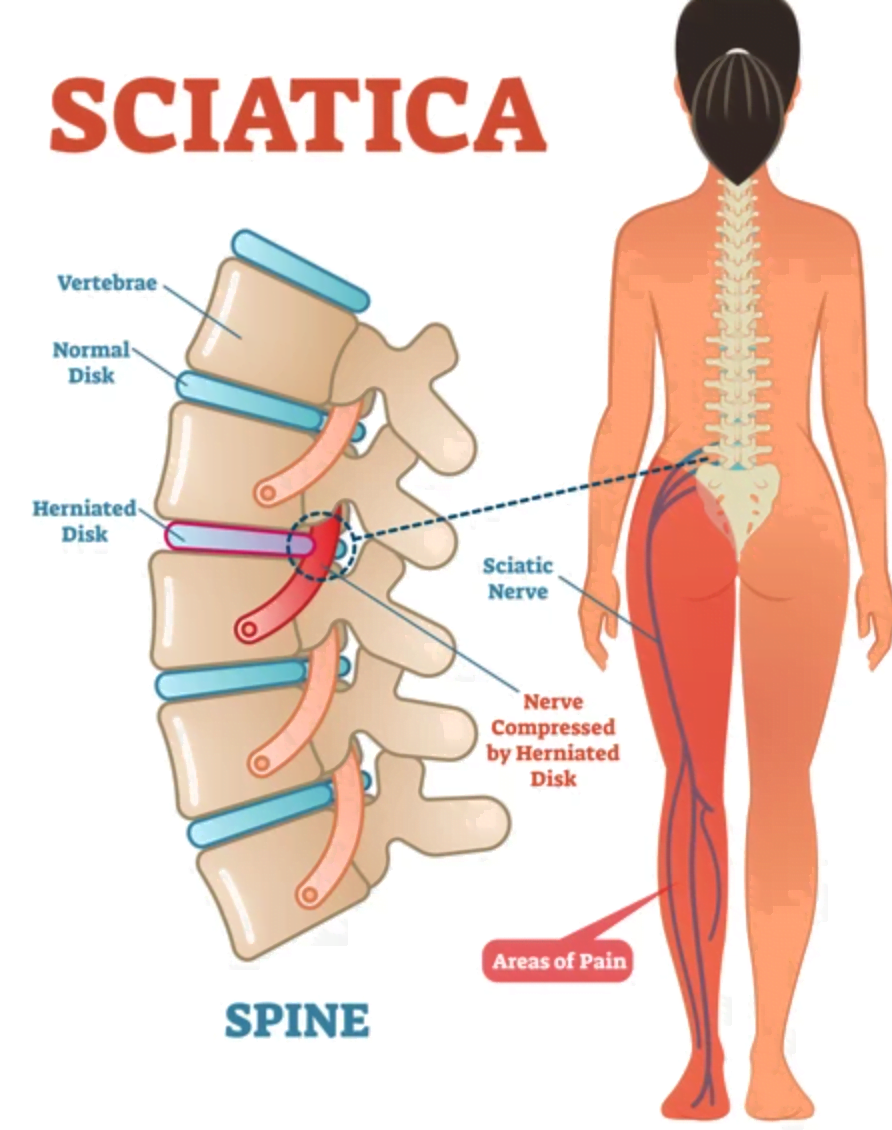
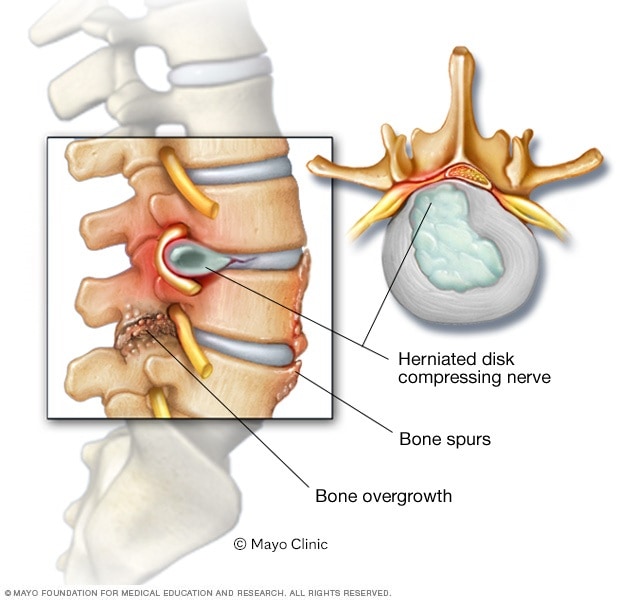
A lumbar disc acts like a cushion between the bones of the spine. If the outer layer tears, the inner material may press against a nearby nerve root.
Symptoms may include:
- Sharp shooting pain
- Pain below the knee
- Tingling
- Numbness
- Weakness
- Increased pain when coughing or sneezing
Disc herniations are one of the most common causes of sciatica.
Sciatica
Sciatica refers to irritation of the sciatic nerve or the nerve roots that form it. Rather than being a diagnosis itself, sciatica describes a pattern of symptoms.
Pain often travels from the lower back through the:
- Buttock
- Back of the thigh
- Calf
- Foot
The pain may be burning, electric, or stabbing.
Lumbar Spinal Stenosis
As we age, arthritis and thickened ligaments can narrow the spaces where nerves travel.
Symptoms often include:
- Pain in both legs
- Heaviness
- Cramping while walking
- Relief when leaning forward
- Reduced walking tolerance
Many people notice that pushing a shopping cart allows them to walk farther because leaning forward temporarily creates more space for the nerves.
Degenerative Disc Disease
As spinal discs lose water content with age, they become less effective at absorbing shock.
The resulting changes may irritate nearby nerves and contribute to:
- Chronic back pain
- Buttock pain
- Leg pain
- Stiffness
- Reduced flexibility
Spondylolisthesis
This condition occurs when one vertebra slips forward over another.
Depending on the severity, it may compress spinal nerves and cause:
- Lower back pain
- Sciatica
- Weakness
- Difficulty standing for long periods
Facet Joint Arthritis
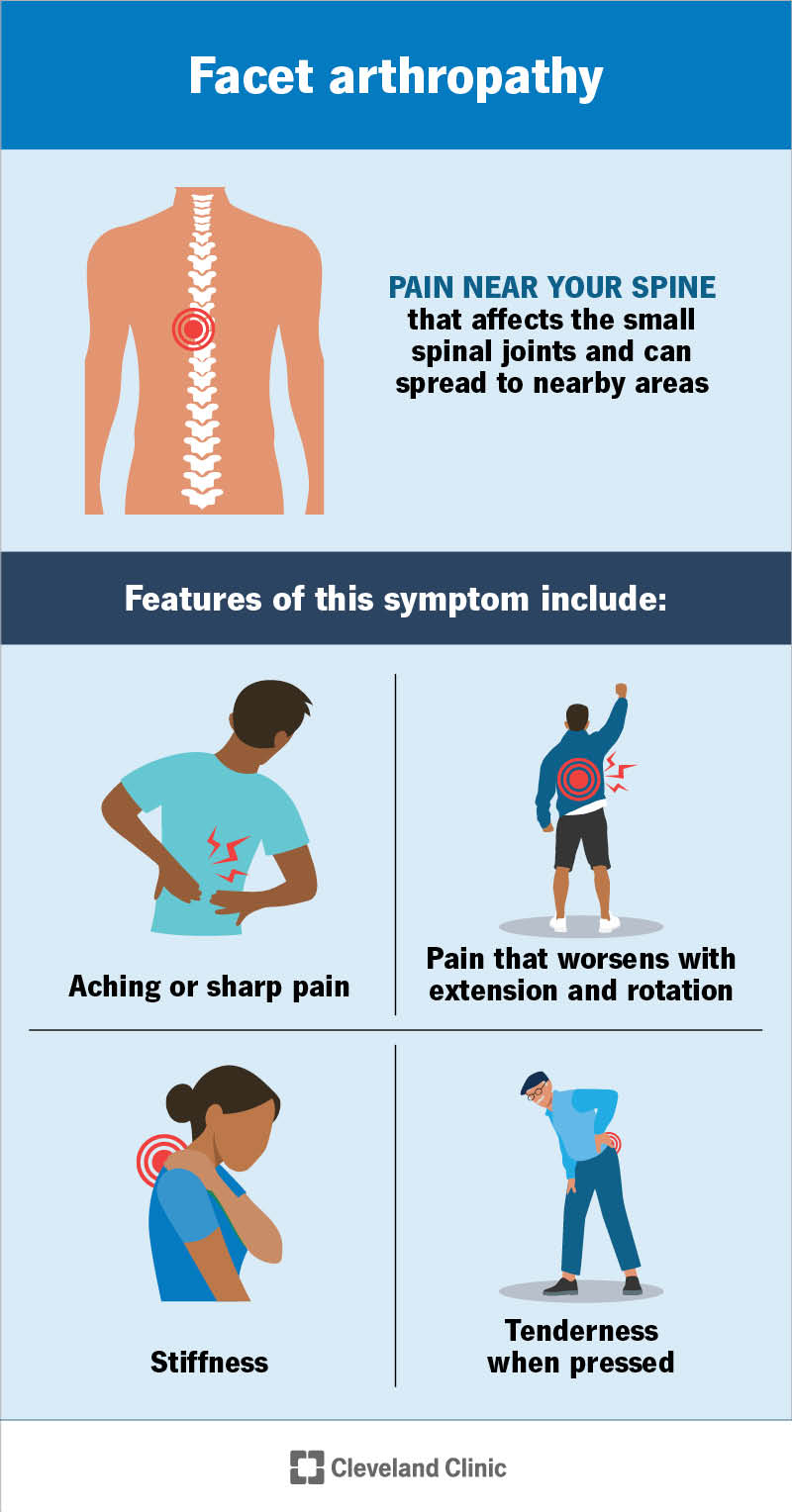
The small joints in the spine can become arthritic over time.
Inflammation may contribute to:
- Referred pain into the hips
- Buttock pain
- Upper leg discomfort
- Stiffness
Although the pain may not travel all the way to the foot, it can still originate from the spine.
When the Problem Is Not in the Spine
Not every case of leg pain comes from the back.
Other possible causes include:
- Muscle strains
- Tendon injuries
- Hip arthritis
- Knee arthritis
- Peripheral neuropathy
- Vascular disease
- Blood clots
- Stress fractures
- Compartment syndrome
Because many conditions share similar symptoms, an accurate diagnosis is essential.
How Physical Therapists Determine the Source
A physical therapist performs much more than a simple strength test.
Your evaluation may include:
- Medical history
- Symptom pattern analysis
- Postural assessment
- Walking analysis
- Lumbar spine movement testing
- Hip examination
- Muscle strength testing
- Sensory testing
- Reflex testing
- Neural tension tests
- Balance assessment
In many cases, reproducing or reducing leg symptoms through specific spinal movements helps identify whether the spine is the source.
Warning Signs That Suggest the Spine May Be Responsible
You may have a spinal condition if your leg pain:
- Starts in the buttock or lower back
- Travels below the knee
- Includes numbness or tingling
- Feels like burning or electric shocks
- Changes with sitting or bending
- Improves when walking or changing positions
- Is accompanied by muscle weakness
- Occurs without a leg injury
Conservative Treatment Options
Most spine-related leg pain improves with conservative treatment.
Physical therapy focuses on reducing pressure on irritated nerves while improving movement and strength.
Treatment plans may include:
- Therapeutic exercises
- Core strengthening
- Flexibility training
- Postural correction
- Walking progression
- Activity modification
- Home exercise programs
- Education on proper lifting and body mechanics
Early intervention often leads to faster recovery and reduces the likelihood of chronic symptoms.
Specialty Services at Ried Physical Therapy
At Ried Physical Therapy, treatment is tailored to the underlying cause of your symptoms rather than simply masking the pain. Depending on your condition and evaluation findings, your physical therapist may recommend one or more specialty services to relieve pain, restore mobility, and improve function.
Manual Therapy
Hands-on techniques can improve spinal joint mobility, reduce stiffness, and decrease pressure on irritated tissues, allowing patients to move more comfortably.
Soft Tissue Mobilization
Tight muscles around the lower back, hips, and legs can contribute to pain and altered movement patterns. Soft tissue mobilization helps reduce muscle tension and improve flexibility.
Myofascial Release
Restrictions in the fascia surrounding the lumbar spine, pelvis, and lower extremities may contribute to pain. Myofascial release can improve tissue mobility and reduce discomfort.
Ultrasound Guided Dry Needling
For patients with persistent muscle trigger points or muscle guarding, ultrasound guided dry needling allows for precise treatment of deeper muscles while avoiding surrounding structures. This approach may help reduce pain and improve muscle function.
Therapeutic Ultrasound
Therapeutic ultrasound may be used to promote circulation, reduce soft tissue irritation, and prepare tissues for stretching and exercise.
Mechanical Traction
For selected patients with disc-related symptoms or nerve root compression, mechanical traction may temporarily reduce pressure on spinal nerves and relieve radiating leg pain.
Kinesio Taping
Kinesio taping may provide temporary support, improve body awareness, and assist muscle activation while maintaining normal movement.
Shockwave Therapy
Chronic tendon or soft tissue conditions that coexist with spine-related dysfunction may benefit from shockwave therapy, which stimulates tissue healing and supports recovery.
Extracorporeal Magnetotransduction Therapy (EMTT)
EMTT uses high-energy magnetic fields to stimulate cellular activity and may help reduce pain and support tissue healing in chronic musculoskeletal conditions when combined with a comprehensive rehabilitation program.
Ergonomic Education
Proper workstation setup, lifting mechanics, and daily movement strategies can reduce stress on the lower back and help prevent recurring nerve irritation.
Postural Correction
Improving posture and movement patterns helps distribute forces more evenly across the spine and may reduce ongoing nerve irritation.
Diet and Supplement Education
Good nutrition supports healthy muscles, bones, and connective tissues. Education on appropriate dietary habits and nutrients may complement a rehabilitation program and support long-term spinal health.
When Should You Seek Immediate Medical Care?
Although most spine-related leg pain is not an emergency, seek immediate medical attention if you experience:
- Sudden loss of bladder or bowel control
- Numbness around the groin or saddle area
- Rapidly worsening leg weakness
- Inability to walk
- Severe pain following significant trauma
- Fever, chills, or unexplained weight loss accompanied by back pain
- A swollen, red, painful leg that could indicate a blood clot
These symptoms may indicate a serious medical condition requiring urgent evaluation.
Frequently Asked Questions
Can leg pain come from my back even if my back doesn't hurt?
Yes. Some spinal conditions irritate nerves that travel into the leg, causing pain, numbness, or tingling with little or no back pain.
How can I tell if my leg pain is sciatica?
Sciatica typically causes pain that starts in the lower back or buttock and radiates down the back or side of the leg, often below the knee. It may also include numbness, tingling, or weakness. A healthcare professional can determine whether your symptoms are caused by sciatica or another condition.
Will I need surgery for spine-related leg pain?
Most people improve with conservative treatment, including physical therapy, activity modification, and exercise. Surgery is generally considered only when symptoms are severe, progressive, or fail to improve with nonoperative care.
Should I keep walking if my leg hurts?
In many cases, walking is beneficial, but the amount and intensity should be guided by your symptoms and diagnosis. Your physical therapist can recommend an activity plan that promotes healing without aggravating your condition.
Can a herniated disc heal on its own?
Many herniated discs improve over time as inflammation decreases and the body gradually reabsorbs some of the disc material. Physical therapy can help manage symptoms and restore movement during recovery.
Is leg numbness always caused by a pinched nerve?
No. While nerve compression in the spine is one possible cause, numbness can also result from peripheral neuropathy, diabetes, circulation problems, or other medical conditions. A comprehensive evaluation is important to identify the source.
Conclusion
Leg pain is not always a problem with the leg itself. In many cases, the true source lies in the lower spine, where irritated or compressed nerves can send pain, numbness, tingling, or weakness down the leg. Identifying the underlying cause is the first step toward effective treatment.
At Ried Physical Therapy, comprehensive evaluations are designed to determine whether your symptoms originate from the spine, hip, or another structure. By combining evidence-based rehabilitation with advanced specialty services such as manual therapy, ultrasound guided dry needling, mechanical traction, shockwave therapy, EMTT, and postural correction, our team develops individualized treatment plans that address the root cause of your pain and help you return to the activities you enjoy.
References
- Deyo RA, Mirza SK, Martin BI. Back pain prevalence and visit rates: Estimates from U.S. national surveys, 2002. Spine. 2006;31(23):2724-2727.
- Kreiner DS, Shaffer WO, Baisden JL, et al. An evidence-based clinical guideline for the diagnosis and treatment of lumbar disc herniation with radiculopathy. The Spine Journal. 2014;14(1):180-191.
- North American Spine Society. Evidence-Based Clinical Guidelines for Multidisciplinary Spine Care: Lumbar Disc Herniation with Radiculopathy.
- North American Spine Society. Evidence-Based Clinical Guidelines for the Diagnosis and Treatment of Degenerative Lumbar Spinal Stenosis.
- Delitto A, George SZ, Van Dillen LR, et al. Low back pain clinical practice guidelines linked to the International Classification of Functioning, Disability and Health. Journal of Orthopaedic & Sports Physical Therapy. 2021;51(11):CPG1-CPG60.
- Genevay S, Atlas SJ. Lumbar spinal stenosis. Best Practice & Research Clinical Rheumatology. 2010;24(2):253-265.
- American Academy of Orthopaedic Surgeons. Sciatica (Lumbar Radiculopathy).
- National Institute of Neurological Disorders and Stroke. Low Back Pain Fact Sheet.
- Foster NE, Anema JR, Cherkin D, et al. Prevention and treatment of low back pain: Evidence, challenges, and promising directions. The Lancet. 2018;391(10137):2368-2383.



Comments
- (no comments)